ADUs
ADU or room addition? The trade-offs are not what most owners expect
Both add space. Only one adds a second dwelling — and that difference changes the permits, the utilities and what the space can ever be used for.
The legal difference is the whole difference
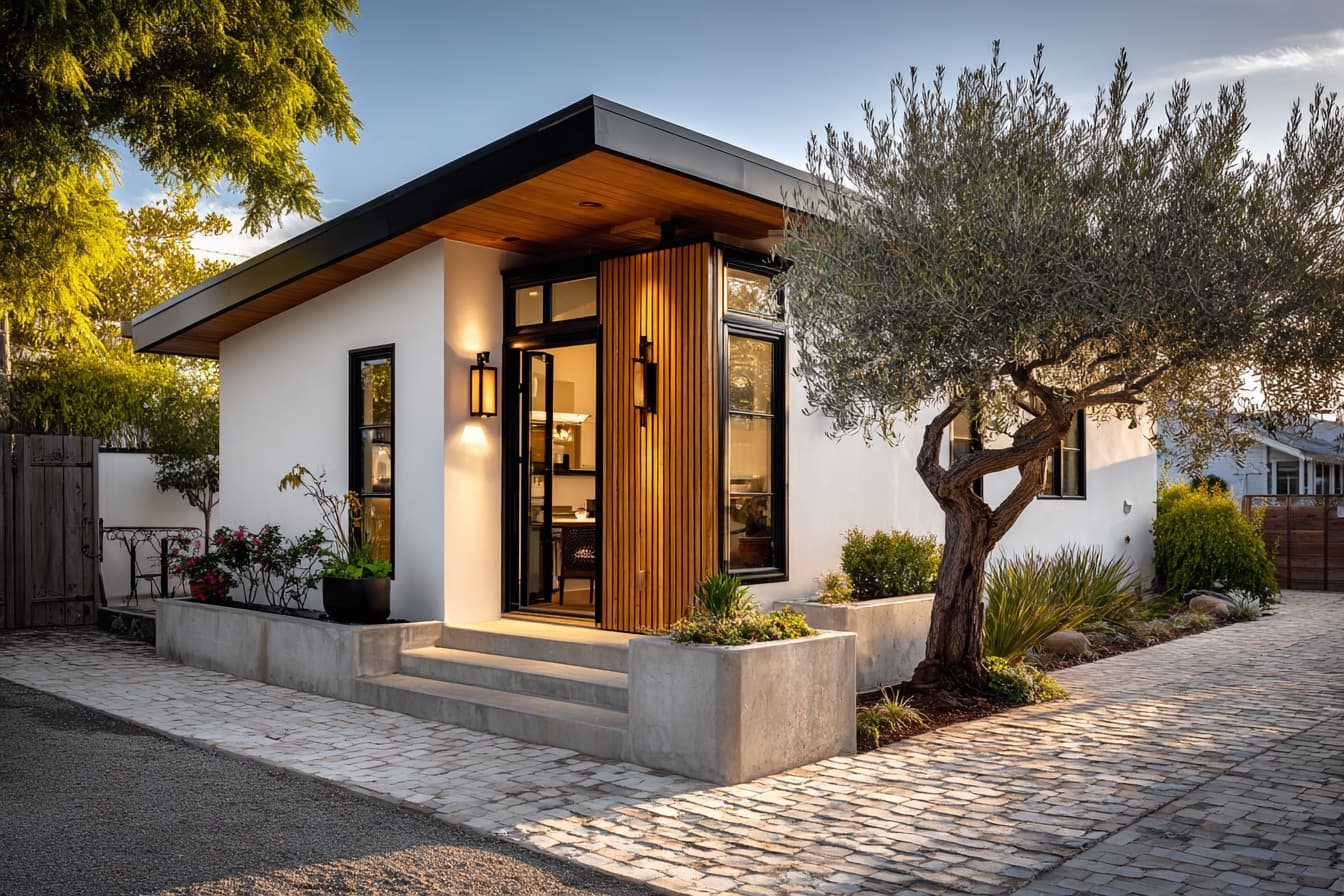
An ADU is an independent dwelling: its own kitchen, its own bathroom, its own entrance, permitted under California's accessory dwelling unit rules. A room addition extends the existing house and remains part of it.
Everything else — the permitting path, the utility work, what you may legally do with the space, and how it is treated in a future sale — follows from that one distinction.
When the addition is the better answer
If what you need is more house — a larger primary suite, a bigger kitchen, another bedroom for a growing family — an addition is usually the more direct and less expensive path. There is no second kitchen to build, no separate entrance to design around, and often less utility work.
Additions also suit lots where an ADU would not fit, or where setbacks and coverage limits leave nothing usable to build on as a standalone structure.
When the ADU is worth the extra complexity
If the space needs to function independently — rental income, an adult child, a parent who wants their own front door — an ADU is the only version that legally works. A room addition cannot be rented as a separate dwelling no matter how it is laid out.
California has also made ADUs comparatively favourable to permit, which narrows the gap in difficulty that used to exist between the two.
The practical comparison
Setting the legal question aside, these are the differences that show up in a build.
- Kitchen and second bathroom: an ADU needs both, an addition usually does not
- Utilities: an ADU may need service upgrades or separate metering
- Entrance and parking: an ADU works far better with genuinely separate access
- Sound separation: matters much more between two households than between rooms
- Future flexibility: an ADU can be rented, lent or sold with the property as a distinct unit
A question worth asking early
Ask yourself what the space needs to be in ten years, not just next year. An addition built for a teenager becomes a spare room. An ADU built for the same teenager becomes rental income, or housing for a parent, or a place for you to live while the main house is let.
That answer usually settles the decision faster than any cost comparison.
Choose on function, not on price. If the space must stand alone, only an ADU does that — and no amount of clever layout makes an addition into one.
General information from a licensed California general building contractor (CSLB #1057123), not legal or code advice. Requirements vary by jurisdiction and change over time — confirm specifics with the city or county that will issue your permit, or call (760) 622-5961 to talk it through.