Process
How long a custom home actually takes in North County
Owners usually budget time for construction and forget the two phases either side of it. That is where most schedules actually go wrong.
Five phases, not one
A custom home is usually discussed as though it were a single duration — how long to build the house. In practice there are five phases, and construction is only the fourth.
Design and engineering, permitting and plan check, construction, and closeout each consume real time, and the first two happen before anyone breaks ground.
Design takes as long as the decisions take
This phase is almost entirely governed by the owner. Drawings progress at the speed selections and approvals are made, and a project that stalls for a month waiting on a decision has simply lost a month.
Engineering follows the design: structural, and depending on the site, soils, civil and drainage work. These are sequential, not parallel — the structural engineer needs a settled design.
Plan check is a queue you do not control
The permit package goes to the jurisdiction and comes back with comments. Those comments get addressed and the package is resubmitted. Depending on the project and the department's workload, this may happen more than once.
No contractor can promise a plan-check duration, and anyone who does is guessing. What a good contractor can do is submit a complete, coherent package the first time, because incomplete submissions are the most common cause of an extra round.
Coastal-zone parcels add a further review on top of this. Hillside and grading work can add another.
Construction runs in a fixed order
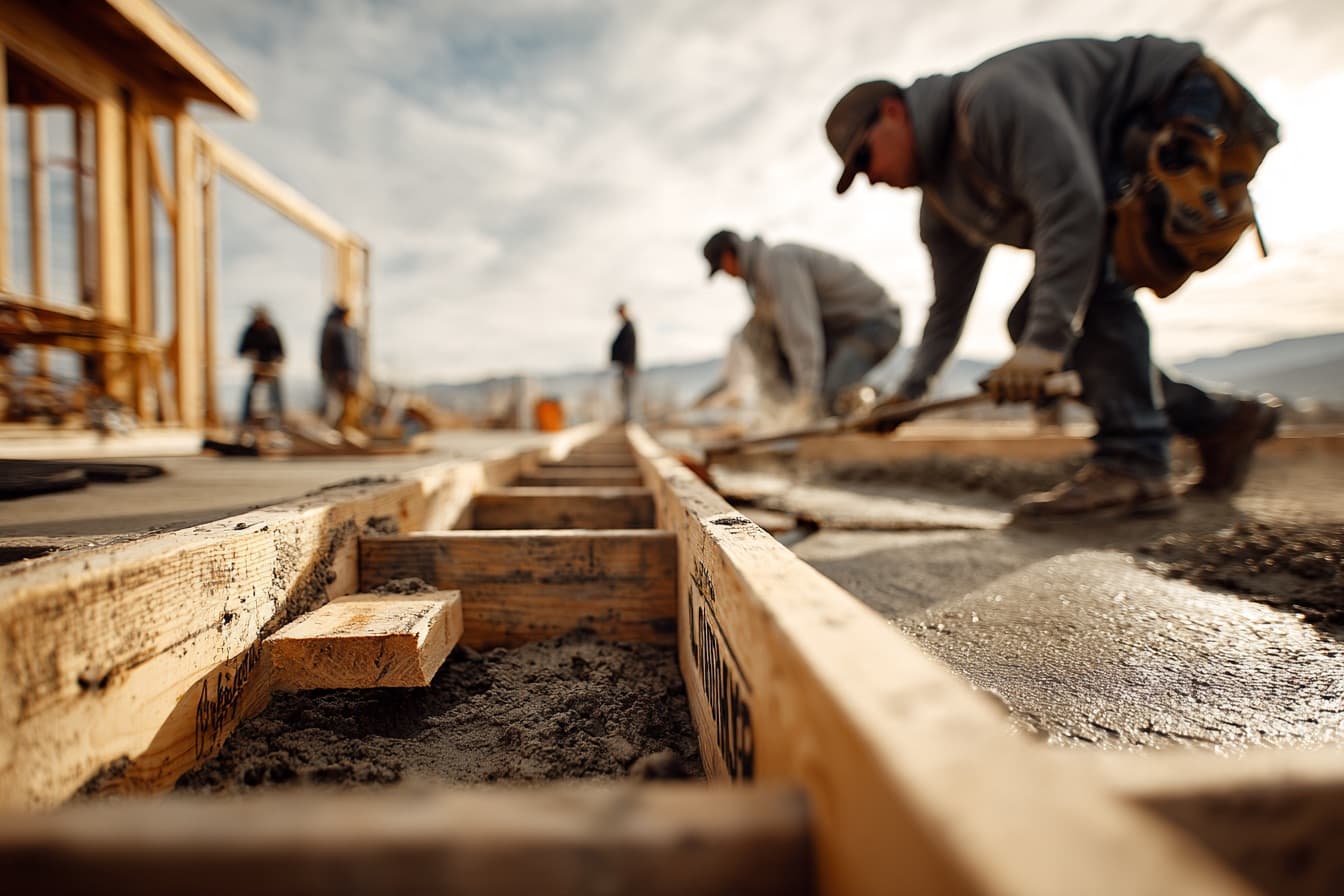
Site work and foundation, framing, roof and envelope, rough mechanical, electrical and plumbing, insulation and drywall, then finishes. Each has inspection points, and the sequence cannot be shuffled — drywall cannot precede the rough-in inspection.
This is why 'can you start next month' is a less useful question than 'what is the critical path'. The order is fixed; what varies is how well the trades and inspections are sequenced against it.
What actually causes delay
In practice, most lost time on residential projects comes from a short list, and most of it is avoidable.
- Late owner selections, especially long-lead items like windows and cabinetry
- Changes made after the affected work has started
- Incomplete permit submissions requiring extra plan-check rounds
- Site conditions discovered after work began rather than investigated before
- Long-lead materials ordered late in the sequence
How to protect the schedule
Make selections early, especially anything manufactured to order. Resolve the site's unknowns before the contract rather than during construction. And treat every change as a schedule decision as well as a cost one — the question is never only what it costs, but what it displaces.
Construction is the predictable part. Design decisions and plan check are where schedules are won or lost, and both start before anyone picks up a hammer.
General information from a licensed California general building contractor (CSLB #1057123), not legal or code advice. Requirements vary by jurisdiction and change over time — confirm specifics with the city or county that will issue your permit, or call (760) 622-5961 to talk it through.