Permitting
Building in the coastal zone: what Oceanside and Carlsbad owners should expect
If your parcel sits inside the coastal zone, there is a permitting layer above the building permit. It is manageable — but only if it is in the schedule from the start.
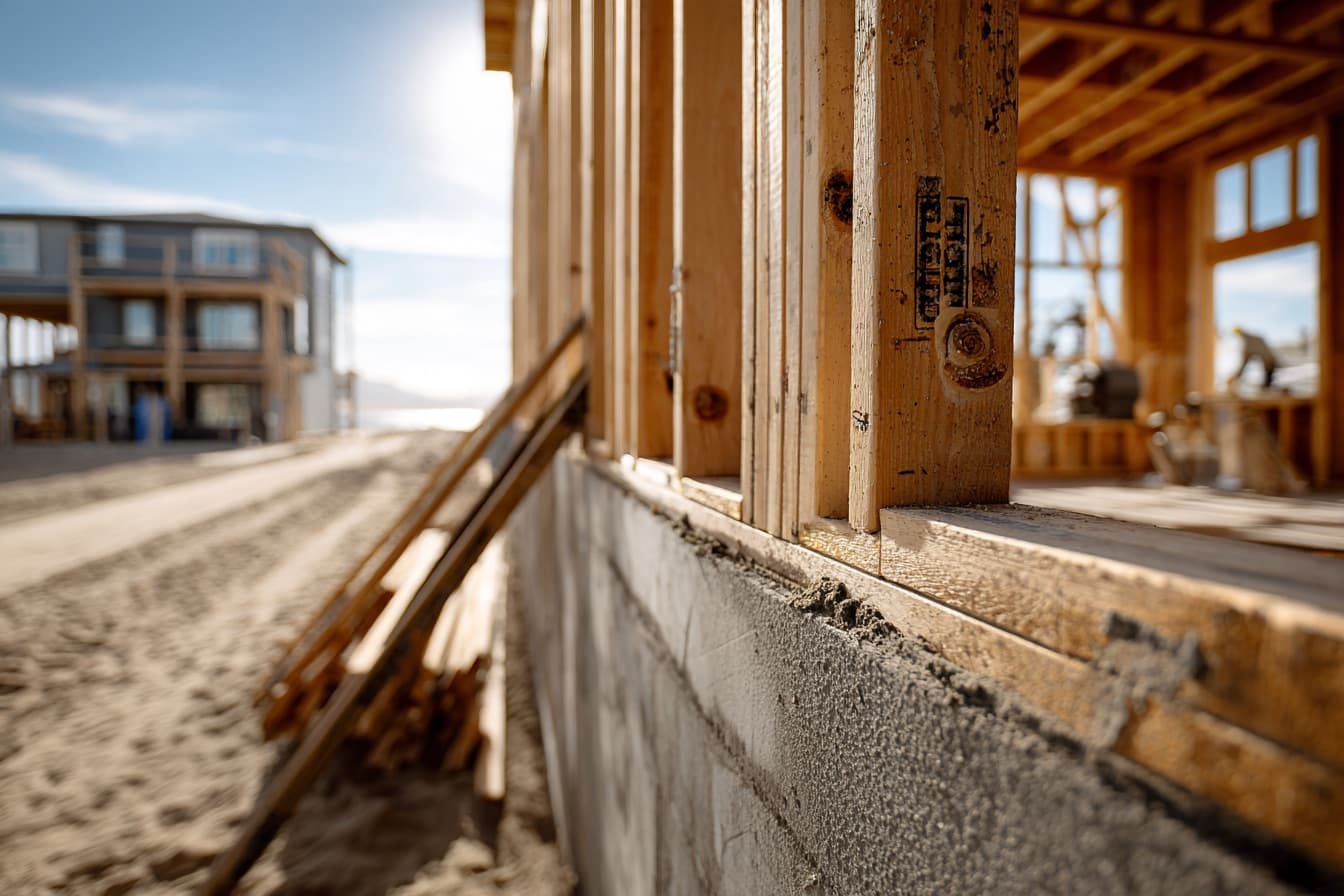
The coastal zone is a boundary, not a view
Owners are often surprised to learn their property is in the coastal zone when they cannot see the water from it. The zone is a mapped boundary established under the California Coastal Act, and in parts of North County it reaches well inland of the beach.
Whether your parcel falls inside it is a question of fact you can settle early, and it is worth settling before you build a schedule around a plain building permit.
What the extra review is looking at
Coastal review is concerned with things ordinary plan check is not: public access to the shoreline, protection of views and habitat, drainage and runoff toward the ocean, and building height and bulk relative to what is around it.
None of this is inherently hostile to a new home. It does mean design decisions that would be neutral inland — a taller roofline, a larger footprint, a change to grading and drainage — become decisions with a review consequence attached.
Plan the calendar honestly
The practical cost of coastal review is usually time rather than redesign. It is an additional process with its own queue, and in some cases its own hearing. A project that would move through plan check in one window may take noticeably longer with a coastal layer on top.
This is worth saying plainly because the alternative is worse: a contractor who quotes an optimistic schedule and then explains the delay afterwards. Build the review into the plan and it is an inconvenience. Discover it mid-project and it is a problem.
Coastal conditions do not stop at permitting
The same environment that triggers the review also affects how the building should be detailed. Salt air is hard on exposed metal — fasteners, railings, light fixtures and hardware all age faster near the water than they do six miles inland.
Specifying for that is not exotic or especially expensive, but it is a decision made at design time. The cheap fixture that looks identical in the showroom will not look identical after three winters in a marine environment.
What to establish before you commit
Three questions resolve most of the uncertainty early, and none require a full design to answer.
- Is the parcel inside the coastal zone, and which agency reviews it
- Does the project as envisioned need a coastal development permit, or does it qualify for an exemption
- What the realistic review timeline looks like for that jurisdiction right now
Coastal review is a scheduling fact, not an obstacle. The projects that struggle are the ones that found out about it late.
General information from a licensed California general building contractor (CSLB #1057123), not legal or code advice. Requirements vary by jurisdiction and change over time — confirm specifics with the city or county that will issue your permit, or call (760) 622-5961 to talk it through.