Modular
Modular vs site-built: an honest comparison for San Diego County
Modular is often sold as faster and cheaper. It can be faster. Whether it is cheaper depends almost entirely on the half of the project that is not built in a factory.
What modular actually is
A modular home is built to the same state building code as a site-built home and inspected accordingly. That is the distinction that matters, and it is the one most often confused: modular is not the same as manufactured (HUD-code) housing, and the two are financed, permitted and valued differently.
The building arrives in sections, is set on a foundation built for it, and is then joined, closed in and finished on site.
Where the time saving comes from — and where it does not
The schedule advantage is real and it comes from parallelism: the factory builds the modules while site work, utilities and the foundation proceed at the same time. Weather stops mattering to the framing. That can compress a build meaningfully.
What modular does not compress is permitting. Plan check and approvals run on the jurisdiction's timeline regardless of how the house will be assembled. Anyone suggesting otherwise is selling something.
The foundation is the pivot point
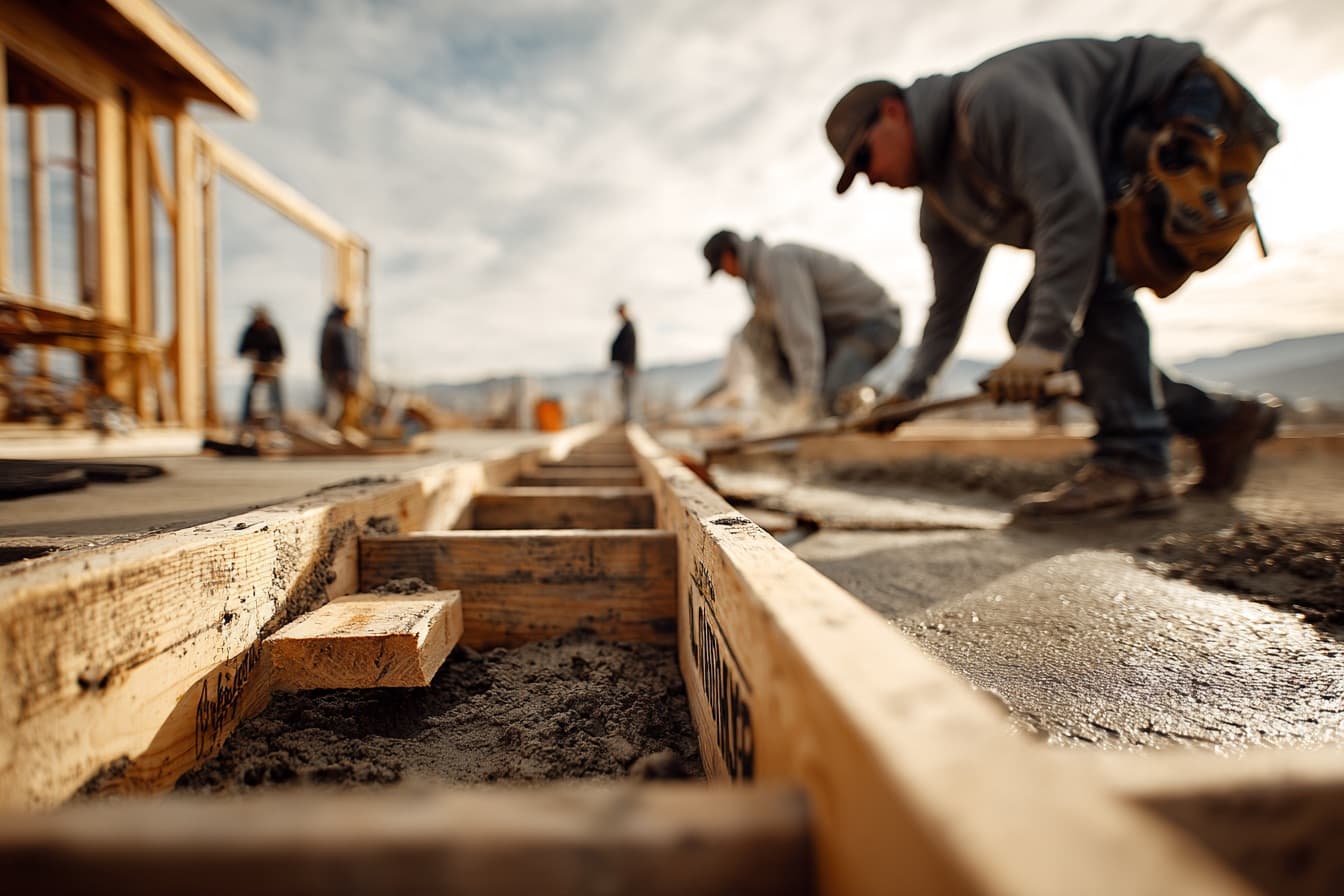
Modules cannot ship until the foundation is complete, inspected and correct to the manufacturer's tolerances — and those tolerances are tighter than a lot of site-built work. If the foundation is late or out of tolerance, the modules either wait in the factory or arrive and cannot be set.
That is the single biggest coordination risk in a modular project, and it sits squarely on the site contractor. Sequencing the site so the foundation is ready exactly when the factory is ready is most of the job.
Cost is not automatic
The factory portion of a modular home is usually well controlled. The site portion is not automatically cheaper than it would be otherwise: grading, utilities, the engineered foundation, the crane and set day, stitching the modules together, and everything that is site-built anyway — garages, decks, porches, landscaping.
On a straightforward flat parcel, the arithmetic can work well. On a steep or awkward site with long utility runs, the site half can absorb the factory savings entirely. This is why a like-for-like comparison has to include the whole project, not the module price.
When modular is a good fit
Modular tends to suit projects where the design is relatively conventional, the site is accessible to a crane and delivery trucks, and schedule certainty matters more than design flexibility.
It tends to suit less well: highly bespoke architecture, very constrained access, and sites where the groundwork is the dominant cost. Neither answer is universal, which is why the comparison is worth running on the actual parcel rather than in the abstract.
Compare whole projects, not module prices. Modular wins on schedule far more reliably than it wins on cost.
General information from a licensed California general building contractor (CSLB #1057123), not legal or code advice. Requirements vary by jurisdiction and change over time — confirm specifics with the city or county that will issue your permit, or call (760) 622-5961 to talk it through.